
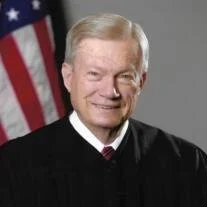
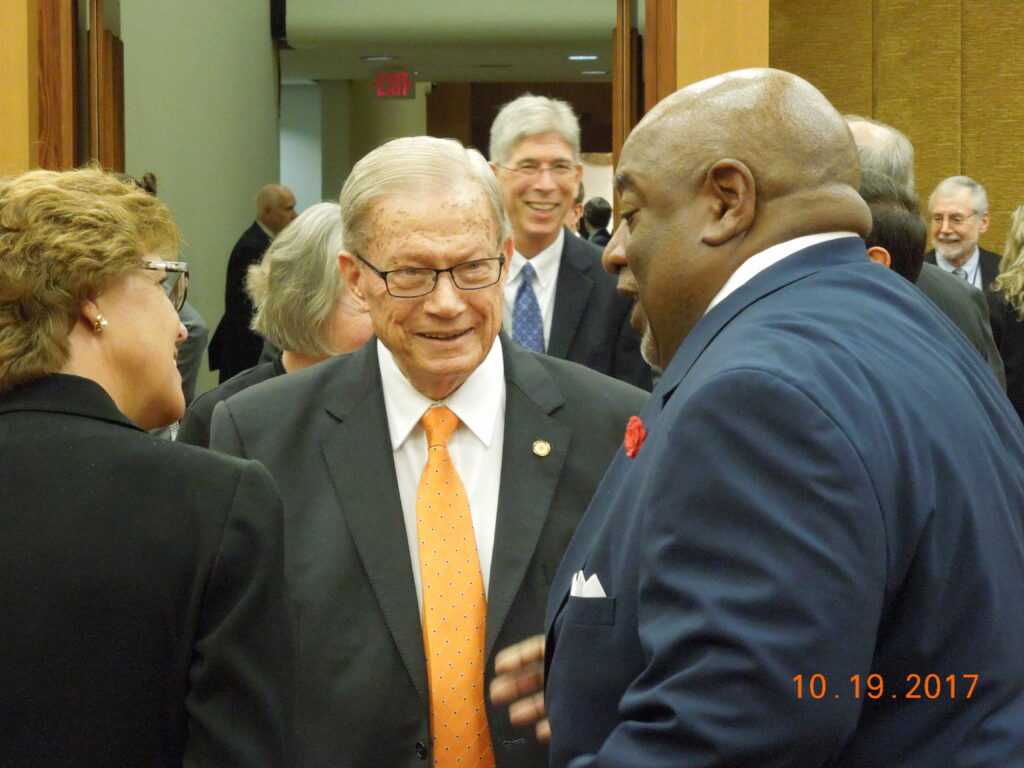
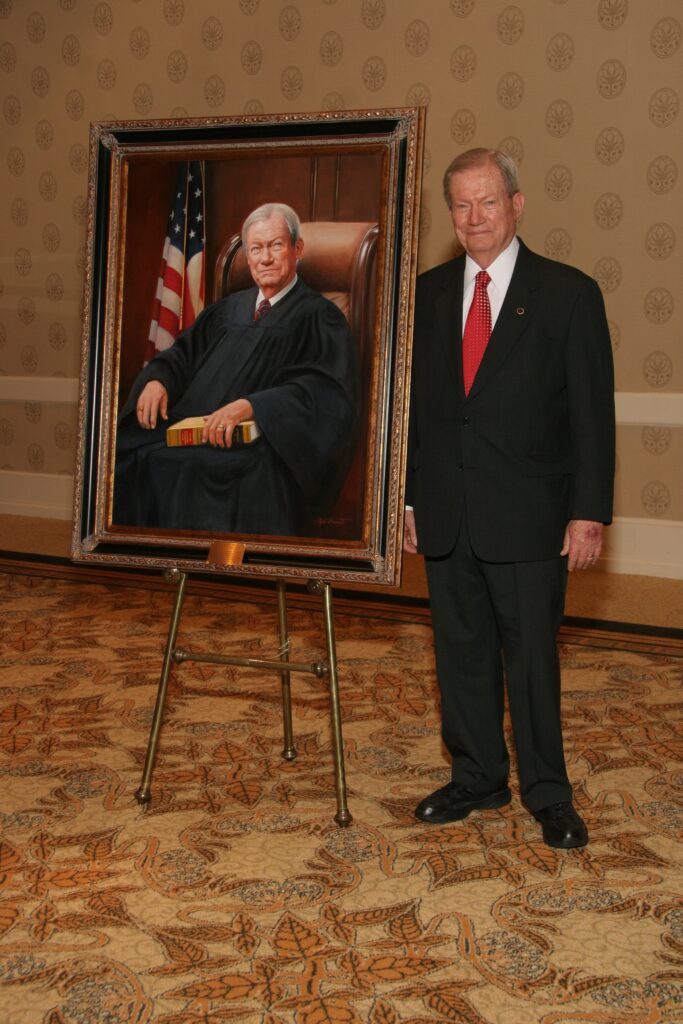
The Honorable W. Homer Drake, Jr.
By: Hon. Lisa Ritchey Craig, Northern District of Georgia
The Honorable W. Homer. Drake, Jr. was appointed to the Bankruptcy Bench in 1964. Today, those of us reading the Judges’ Java are the direct beneficiaries of his lifetime commitment to the Bankruptcy Court. Without his passion, dedication, and network of friends and colleagues, the modern Bankruptcy Court would look vastly different.
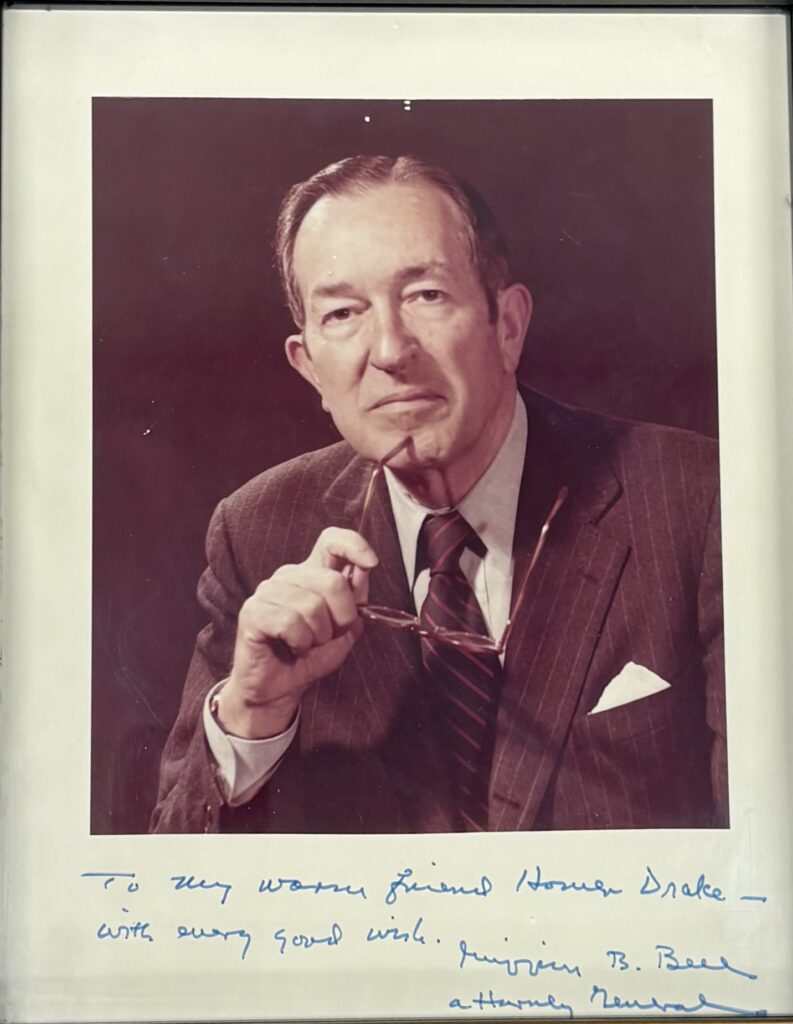
Judge Drake was perhaps in the right place at the right time. After graduating from Mercer University School of Law in 1956, he served in the Army JAG Corp and later as law clerk to District Court Judge Lewis R. Morgan, N.D.G.A. . While working for Judge Morgan, Judge Drake was fortunate enough to get to know his fellow Mercerian, Judge Griffin Bell, who was then serving on the 5th Circuit Court of Appeals (now the 11th Circuit).
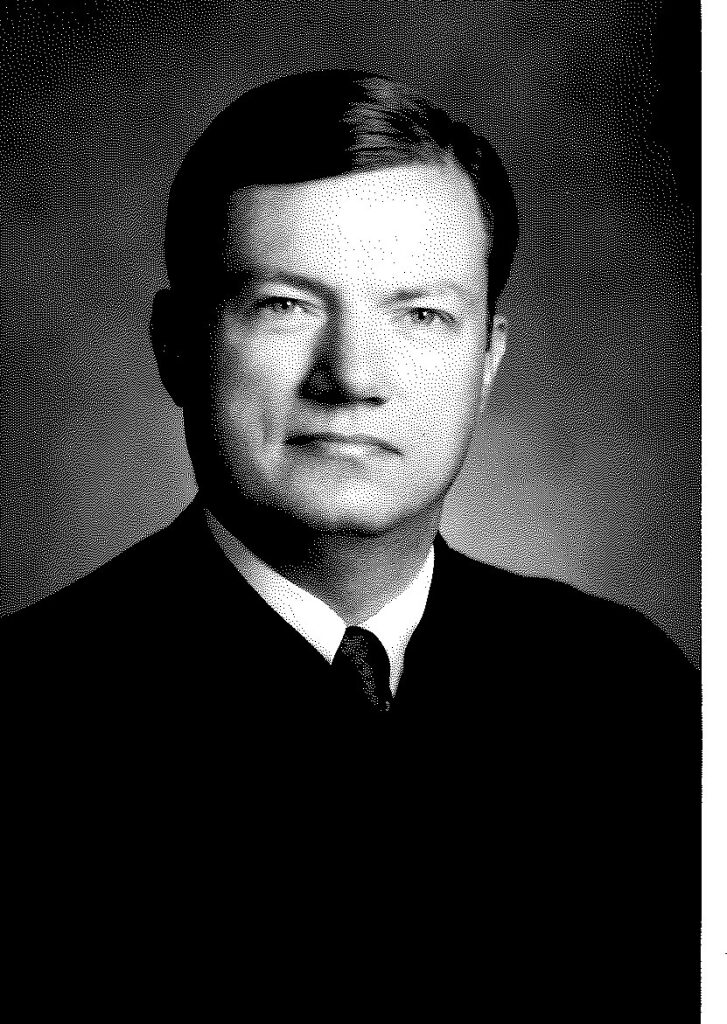
In 1964, Referees in Bankruptcy were appointed by the district court judges. Judge Morgan appointed Judge Drake to serve as a referee in the Northern District of Georgia. Nationally, Conrad Cyr (D. Me.), Joe Lee (E.D. Ky.), Bob Morton (D. Kan.), Dan Cowans (N.D. Cal.), Arthur Moller (S.D. Tex.), and John Copenhaver (S.D. W.Va.),[1] were struggling with their new roles as referees in bankruptcy, as was Judge Drake. They had a common goal to “upgrade the system and serve the public appropriately.”[2] For example, Judge Drake knew from working for Judge Morgan that a judge should preside in a robe. It was not long before both referees in the District were wearing judicial robes with the full support of Judge Morgan.
Fortuitously, Congress had also formed the Commission on the Bankruptcy Laws of the United States (the “Commission”) to consider bankruptcy law reform. The Commission was comprised of nine members, of whom, three were appointed by the President, two by the Chief Justice, two by the Senate Majority Leader, and two by the Speaker of the House.[3] These appointees, unfortunately, did not include anyone serving as a referee. In fact, the Chairman of the Bankruptcy Committee of the Judicial Conference told our group of referees to go directly to Congress if they wanted input into the new bankruptcy legislation.
Judge Lee, Judge Drake, and others took the invitation to heart. In 1973, the Commission reported its bill, which would have placed most bankruptcy functions in the hands of an administrator, rather than a judge. Our group of strong, determined judges authored a competing bill, known as the Judge’s Bill (principally drafted by Judge Lee), and set out to go to Congress.
Another major event occurred at this time that spurred the referees to press on. Congress raised the salary of both District court judges and referees, but in a display of arrogance in substituting its judgment for that of Congress, the Judicial Conference reduced the referee’s salary by $6,000, clearly indicating its desire to quash the efforts to elevate the bankruptcy court. Even though this was a devastating blow, our group of referees did not give up.
Their hard work soon began to pay off when the Committee of Bankruptcy Rules of the Judicial Conference promulgated a rule change that would change the title of Referee to Bankruptcy Judge.[4] The National Association of Referees in Bankruptcy became the National Conference of Bankruptcy Judges (“NCBJ”).[5]
In 1973, it was not a coincidence that Judge Drake was the President of the NCBJ. The annual meeting was held in Atlanta, allowing Judge Drake to host Judge Bell, Governor Jimmy Carter, and Senator Herman Talmadge, all of whom would later become key supporters of the Judges Bill. Senator Talmadge’s speech that year was well received by the NCBJ, as he, too, was against the Administrator concept, as it was perceived as an extension of the Executive Branch’s excessive spending.
The legislation that ultimately passed was a combination of the Judge’s Bill and the Commission’s Bill. While it contained compromises, it left the judiciary in control, which was the NCBJ’s primary concern. Unfortunately, Chief Justice Burger was vehemently opposed to President Carter’s signing the bill. Judge Drake and the group again worked through their many connections—Bob Lipshutz, Chief of Staff to the President, Judge Griffin Bell, U.S. Attorney General, and Stuart Eizenstat, a top presidential advisor—to convince President Carter to sign the Bankruptcy Reform Act of 1978. These trusted advisors were all Georgians and had been intricately woven with Judge Drake, the NCBJ, and the group of judges that fought so valiantly and steadfastly for these changes.
Also in 1973, Judge Drake and a group of insolvency professionals formed the Southeastern Bankruptcy Law Institute to educate members of the Bar in bankruptcy matters. Professors and judges from all over the country came to Atlanta to speak at the annual conference held in Atlanta each spring. Professors like Frank Kennedy, Vern Countryman; judges like Conrad Cyr, Arthur Moller, Joe Lee; and many, many others participated in the early years. The SBLI Board started as a working board and continues today to honor Judge Drake’s legacy.
With a prodigious amount of energy, time, dedication and respect for the system, Judge Drake worked tirelessly, along with his colleagues, to achieve a bankruptcy system that supports its judges and citizens and provides justice in a real way to those who come before it. I am reminded each time I don his robe that his life’s work has immeasurably improved our bankruptcy system and that it is our job to ensure the system continues to provide justice to all.
[1] Hon. W. Homer Drake, Jr., “The Judges’ Bankruptcy Bill and the Commission’s Bill: A Question of Access to the Judicial Process,” 26 Mercer L. Rev. 1009 (1974-75).
[2] “An Interview with the Honorable W. Homer Drake, Jr.,” Journal of Southern Legal History (Sept. 12, 2012).
[3] Report of the Commission on the Bankruptcy Laws of the United States, H.R. Doc. No. 93-137, at 1 (1973).
[4] Hon. Craig A. Gargotta, “Who Are Bankruptcy Judges and How Did They Become Federal Judges?” The Federal Lawyer (Apr. 2018).
[5] “An Interview with the Honorable W. Homer Drake, Jr.,” Journal of Southern Legal History (Sept. 12, 2012).